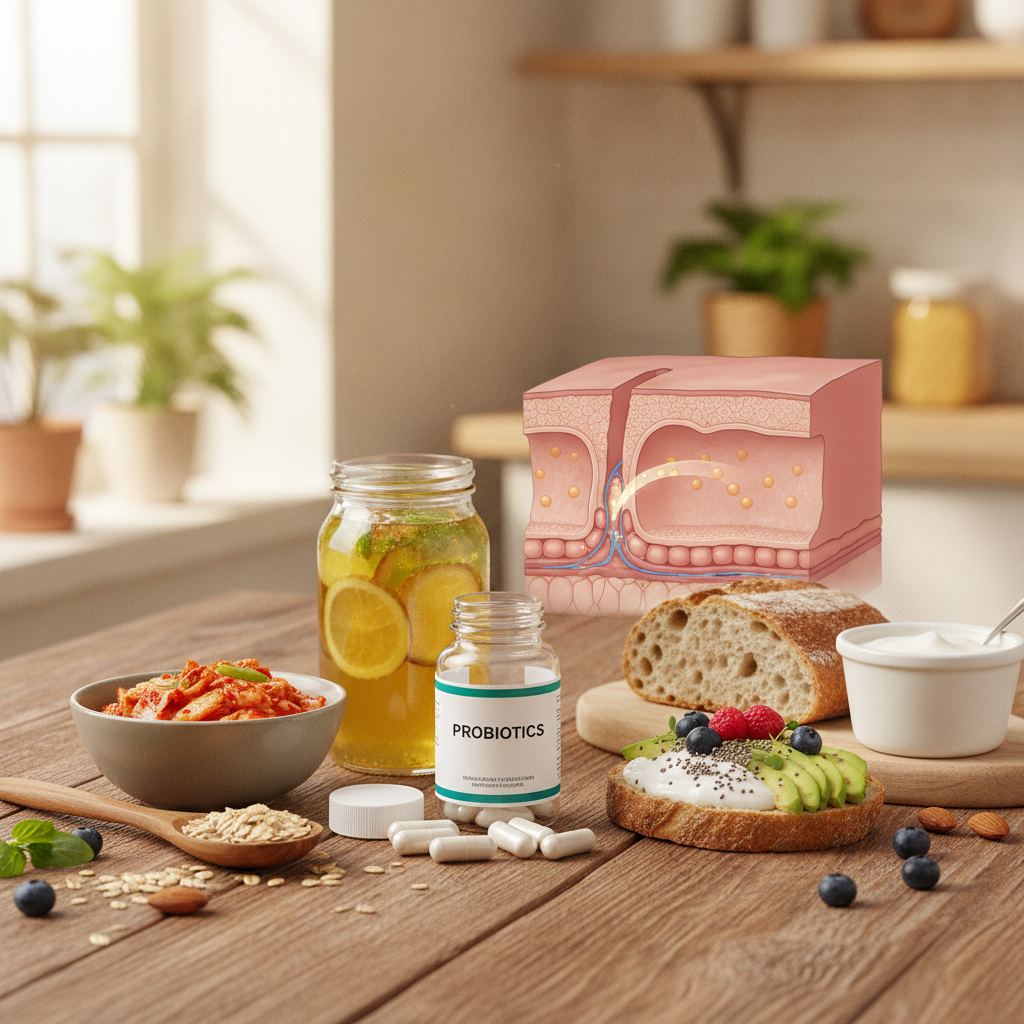
The intestinal barrier is a selective membrane—nutrients pass through, but pathogens and toxins are excluded. When barrier function deteriorates, larger molecules inappropriately cross into the bloodstream.
Barrier Structure
The intestinal lining is a single layer of epithelial cells linked by tight junctions—protein complexes that control what passes between cells. Tight junctions are highly dynamic, opening and closing in response to signals.
Beneath this single cell layer is a complex immune system. When barrier integrity is compromised, bacterial antigens directly contact immune cells, triggering inflammation.
What Disrupts Barrier Function
Certain foods increase intestinal permeability: alcohol, NSAIDs, and high-fat diets particularly damaging. Gluten increases zonulin production in people with celiac disease, increasing permeability through a validated mechanism.
Chronic inflammation, infections (particularly dysbiosis), and stress increase intestinal permeability. Dysbiosis impairs short-chain fatty acid production—butyrate specifically nourishes epithelial cells and reinforces tight junctions.
Clinical Consequences
Increased permeability allows bacterial lipopolysaccharides (LPS) to enter circulation. These trigger systemic inflammation linked to autoimmune disease, metabolic disease, and neuroinflammation. Food antigens crossing the barrier can trigger food sensitivities.
Restoration Strategies
Eliminate permeability-increasing foods temporarily—particularly alcohol, NSAIDs, and refined carbohydrates. Increase fiber intake to feed beneficial bacteria producing butyrate.
Collagen and gelatin provide glycine and proline—amino acids supporting connective tissue integrity. Bone broth is a traditional source; supplemental collagen peptides are convenient.
Microbiome Restoration
Dysbiosis is often the primary problem. Addressing dysbiosis through dietary changes restores butyrate production, reinforcing barrier function. Short-chain fatty acids are the primary mechanism through which dietary fiber supports barrier integrity.
Glutamine
Glutamine is the preferred fuel for epithelial cells. Supplemental L-glutamine (5-20g daily) supports barrier repair. Glutamine is particularly important during infection recovery or extreme stress.
Timeline
With appropriate intervention, intestinal barrier function typically improves within 4-8 weeks. However, complete restoration may require 3-6 months if underlying dysbiosis is severe.
Testing Limitations
Zonulin and LPS tests attempt to quantify permeability, but clinical significance of subclinical elevation remains debated. Focus on symptoms—many people feel substantially better as barrier function improves.
← Back to Home