Noise-Induced Hearing Loss Prevention
Noise above 85 decibels damages cochlear hair cells permanently. Protecting hearing at work, recreation, and daily activities prevents noise-induced hearing loss and associated tinnitus.
Proper Earplug Use
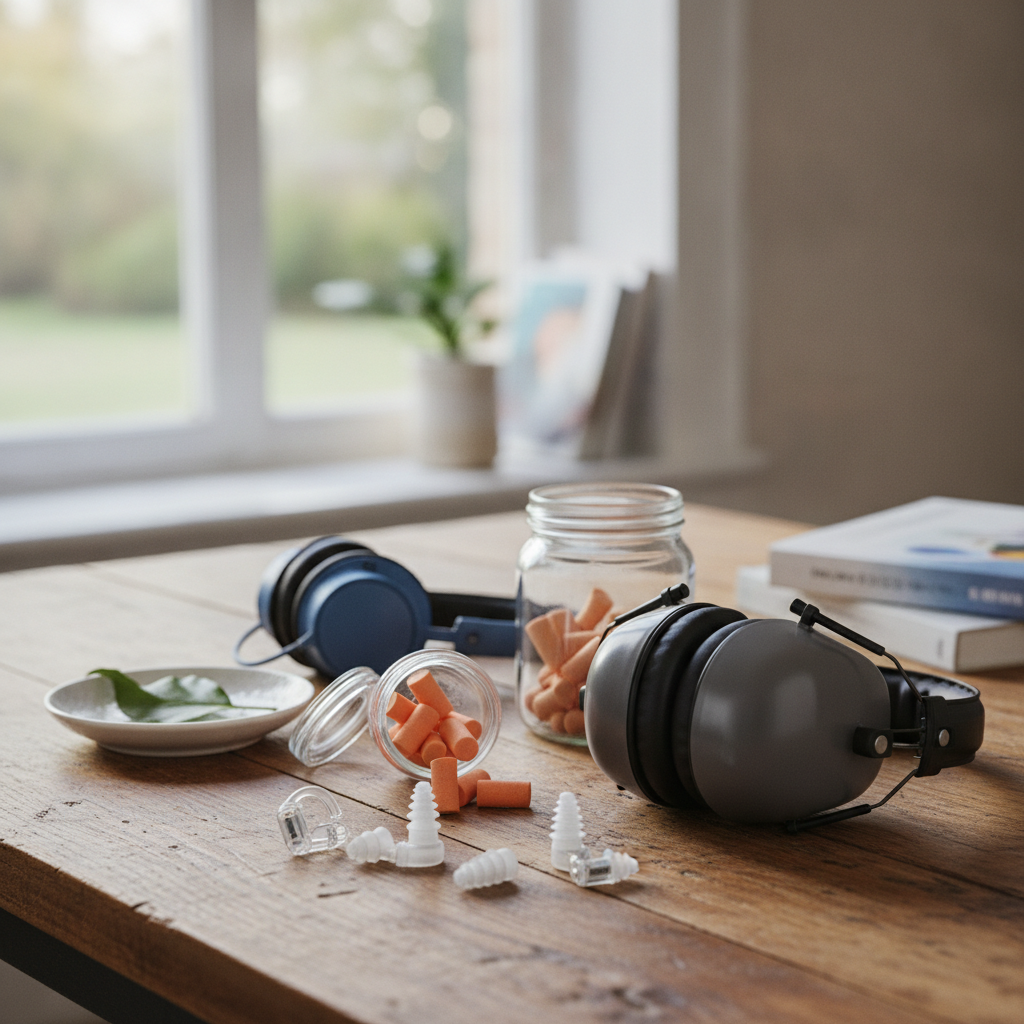
Earplugs prevent approximately 15-30 decibels of noise reduction when inserted correctly. Many people achieve insufficient protection through improper insertion. Learning correct insertion technique ensures maximum protection.
Earmuff Advantages
Over-ear earmuffs provide reliable protection and are easier to insert correctly than earplugs. Combining earplugs and earmuffs provides maximum protection in extremely loud environments.
Occupational Protection
Workers in loud industries should use appropriate hearing protection consistently. OSHA regulations mandate hearing protection above 90 decibels. Employers must provide appropriate equipment and training.
Recreational Noise Exposure
Hunters and shooting sports enthusiasts face significant acoustic trauma risk. Electronic hearing protection devices allow normal hearing while protecting against impulse noise from gunshots.
Music Volume Guidelines
Listening to music above 85-90 decibels damages hearing over time. Using volume limiters on personal devices and following the 60/60 rule—60% volume maximum for 60 minutes—protects hearing.
Age-Appropriate Vigilance
Young people exposed to excessive noise in entertainment venues, through personal devices, or in recreational activities establish tinnitus risk early. Early protective habits prevent problems in midlife and beyond.
← Back to Home