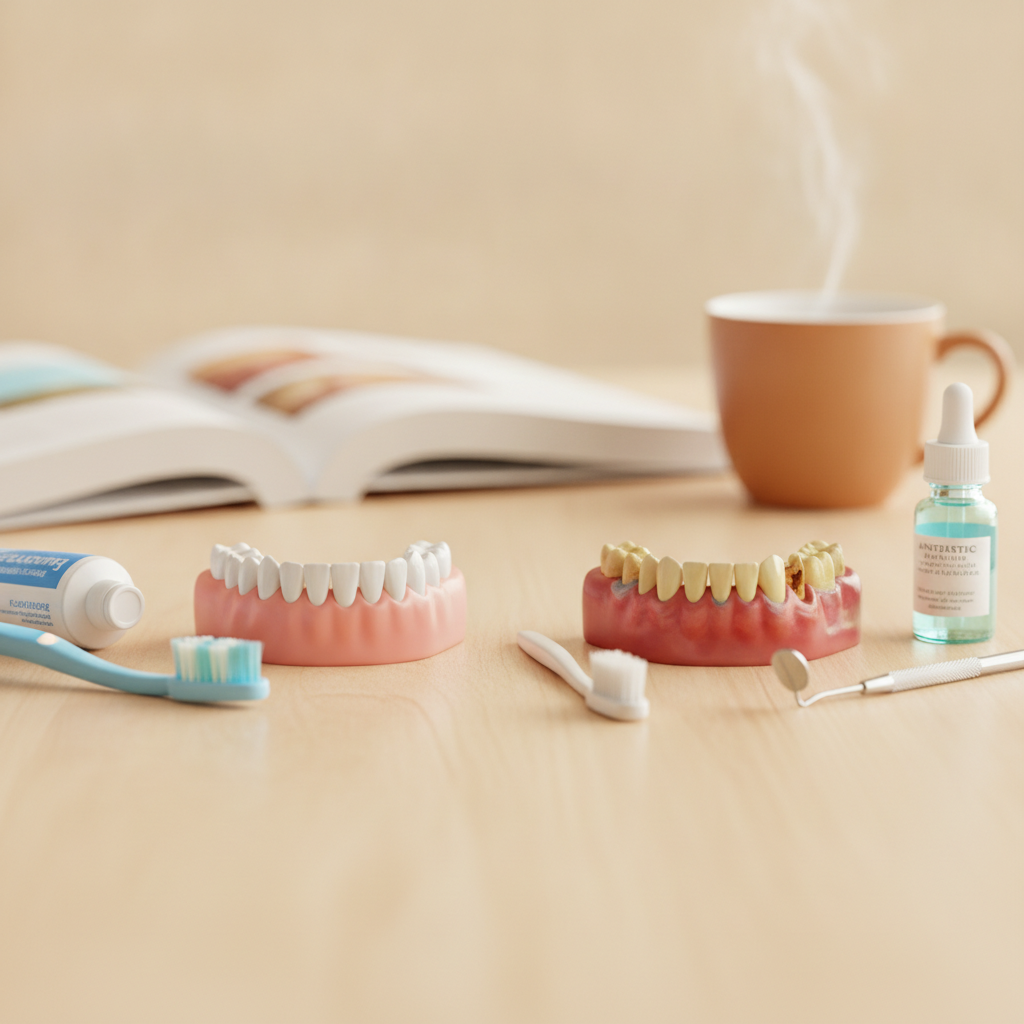
Gum disease affects approximately 50% of American adults. Understanding the progression from early gingivitis to advanced periodontitis empowers prevention and early treatment.
Gingivitis: The Beginning Stage
Gingivitis begins when bacterial plaque accumulates on teeth near the gum line. The immune system responds with inflammation—gums become red, swollen, and bleed during brushing or flossing. Crucially, gingivitis is reversible with improved oral hygiene.
Daily brushing, flossing, and professional cleaning eliminate plaque and stop disease progression. Gums return to health within weeks when inflammation-causing bacteria are removed.
The Transition to Periodontitis
When gingivitis is ignored, bacteria penetrate deeper, invading the periodontal ligament that anchors teeth. The body cannot fully eliminate these deep infections. Chronic inflammation ensues, leading to bone loss around tooth roots.
Once bone is lost, it rarely regenerates completely. This transition point—from gingivitis to periodontitis—represents a critical threshold. Early intervention prevents permanent damage.
Advanced Periodontitis
Advanced disease causes progressive bone loss, tooth mobility, and eventually tooth loss if untreated. Additionally, periodontitis increases systemic inflammation markers throughout the body, affecting cardiovascular and metabolic health.
Prevention Strategies
Effective brushing twice daily with a soft-bristled toothbrush removes surface plaque. Flossing daily removes plaque in spaces between teeth inaccessible to brushes. Electric toothbrushes remove plaque more efficiently than manual brushes for many people.
Professional cleanings every 6 months remove tartar that brushing cannot eliminate. For people with gum disease history, cleanings every 3-4 months maintain disease control.
Risk Factors
Smoking dramatically accelerates gum disease. Uncontrolled diabetes increases infection risk. Stress suppresses immune function, reducing your defense against bacterial infection. Genetic predisposition affects susceptibility.
Treatment Options
Early gingivitis responds to enhanced home care and professional cleaning. Moderate periodontitis requires deep cleaning (scaling and root planing) or surgical intervention. Regular maintenance prevents recurrence.
← Back to Home