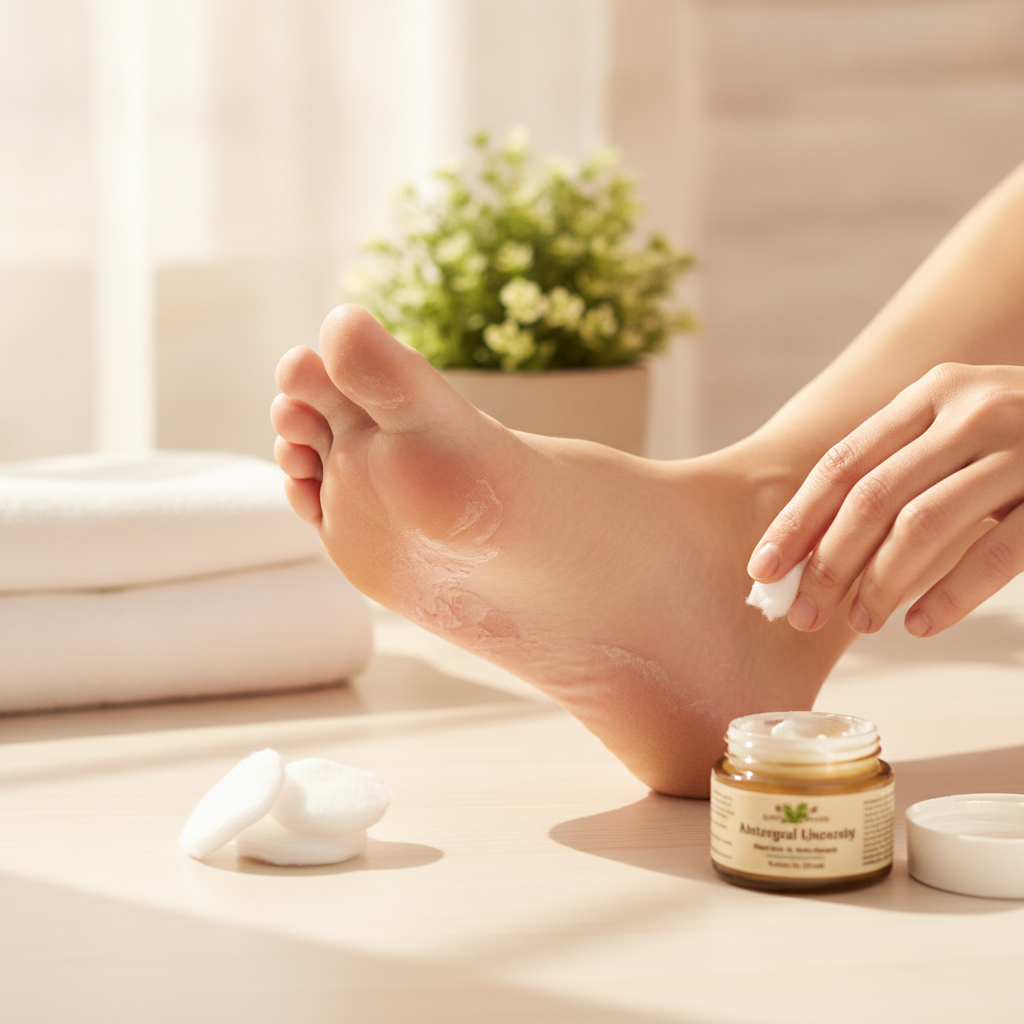
Understanding Athlete's Foot
Athlete's foot, medically known as tinea pedis, affects approximately 10-12% of the population. Dermatophyte fungi thrive in warm, moist environments, making feet ideal habitat particularly between toes where moisture persists.
The condition causes itching, burning, redness, and scaling. Secondary bacterial infection occasionally complicates athlete's foot, particularly when scratching breaks skin barrier. Left untreated, infection gradually spreads to involve larger foot areas and potentially other body sites.
Prevention Strategies
Keeping feet dry constitutes the primary prevention principle. Dry feet thoroughly after bathing, particularly between toes where moisture easily persists. Change socks if they become damp or sweaty throughout the day.
Wearing moisture-wicking athletic socks that draw perspiration away from skin reduces fungal growth. Change socks immediately after exercise or if feet perspire heavily.
Public shower facilities harbor dermatophytes. Wear shower sandals or thongs in gym showers, locker room facilities, and communal bathing areas. Shared towels and nail clippers transmit fungal spores—use only personal items.
Avoid tight, poorly ventilated footwear. Athletic shoes allow moisture accumulation; sandals or well-ventilated shoes reduce fungal growth. Rotate shoes to allow complete drying between uses.
Treatment Options
Topical antifungal creams work effectively for mild to moderate athlete's foot. Apply antifungals twice daily for 2-4 weeks or per package directions. Continue application for several days after visible symptoms resolve to ensure complete resolution.
Oral antifungals treat severe or extensive infections. Systemic treatment reaches fungal organisms deep in skin layers that topical treatments penetrate poorly. Treatment duration extends 2-4 weeks depending on severity.
Resolution Timeline
Mild infections treated with topical medications typically resolve within 3-4 weeks. Extensive infections or those involving nails require longer treatment. Resolution continues for weeks after visibly normal skin returns.
Recurrence Prevention
Athlete's foot recurs in approximately 30-50% of cases even after successful treatment. Maintaining preventive measures indefinitely prevents recurrence. Maintaining dry feet and wearing protective footwear in public areas provides ongoing protection.
← Back to Home